 Local government software helps municipalities, cities, and counties manage daily operations more efficiently while improving services for employees and residents. From IT help desk systems to asset management platforms and workflow automation tools, modern technology allows local governments to streamline operations and respond to issues faster.
As part of broader digital government initiatives, many municipalities are investing in software platforms that centralize service requests, automate workflows, and improve transparency across departments. These solutions help local governments modernize legacy processes while maintaining accountability and operational visibility.
For many organizations, one of the most important components of local government software is a centralized help desk system. A well-designed help desk enables municipal employees to submit requests, track issues, and resolve problems efficiently—creating a strong foundation for modern municipal operations.
Without the right tools in place, service requests often arrive through scattered channels such as email, phone calls, or informal conversations. This lack of structure can lead to lost requests, delayed responses, and frustrated employees. Implementing the right local government software—particularly a modern help desk—helps solve these challenges and improves service delivery across departments.
What Is Local Government Software?
Local government software refers to digital platforms used by municipalities, cities, and counties to manage operations, coordinate services, and support administrative processes.
These systems allow government organizations to automate tasks, improve collaboration between departments, and deliver better services to residents.
Many municipalities rely on integrated municipal software platforms that combine multiple capabilities into a single environment.
Common types of local government software include:
IT Help Desk Systems
Help desk systems allow municipal IT teams to track service requests, manage support tickets, and resolve technical issues efficiently. Instead of relying on scattered communication channels, all requests are logged, prioritized, and assigned within a centralized platform.
Citizen Service Request Systems
Many municipalities implement software that allows residents to submit citizen service requests for issues such as potholes, broken streetlights, damaged sidewalks, or waste management concerns. These systems improve responsiveness and create a transparent record of public service requests.
Asset Management Software
Local governments manage large numbers of assets including vehicles, infrastructure equipment, computers, and public facilities. Asset management systems help track inventory, monitor maintenance schedules, and ensure resources are used effectively.
Workflow Automation Platforms
Workflow automation tools allow municipalities to digitize internal processes such as approvals, procurement requests, onboarding tasks, and department workflows. Automation reduces manual work and improves efficiency across government operations.
Together, these technologies create a connected ecosystem of municipal software that supports modern public-sector operations.
Why Local Governments Need a Modern Help Desk
While municipalities use many different types of software, a help desk system often becomes the central hub for internal service management.
Employees across departments regularly need support for issues such as:
-
IT problems
-
access requests
-
equipment needs
-
software issues
-
operational support
Without a structured system, requests often arrive through multiple channels, including:
-
email
-
phone calls
-
hallway conversations
-
instant messages
This fragmented approach can overwhelm IT teams and make it difficult to track work effectively.
A dedicated help desk solution centralizes all requests into one platform, allowing IT teams to monitor workloads, prioritize tasks, and respond to issues quickly.
For municipalities pursuing digital government strategies, implementing a modern help desk is often the first step toward broader service automation.
Key Features to Look for in Local Government Software
When evaluating local government software, municipalities should focus on platforms designed specifically for public-sector needs.
Important features include:
Ticket Management
A robust ticketing system ensures that service requests are tracked from submission through resolution while maintaining a complete record of activity.
Workflow Automation
Automation allows requests to be routed to the appropriate department and follow predefined approval processes without manual intervention.
Reporting and Analytics
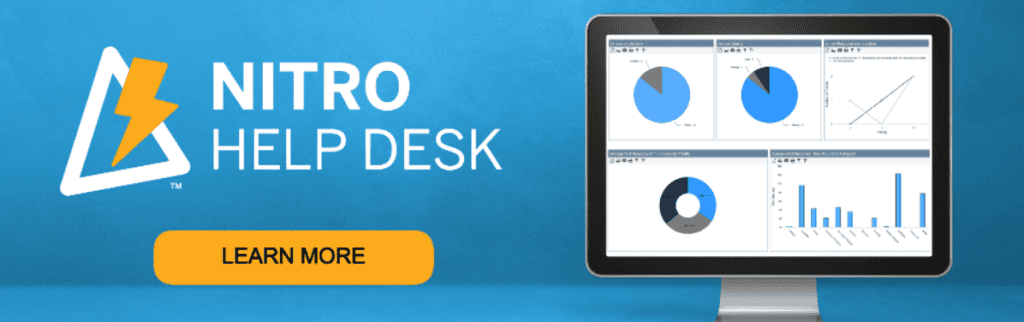
Reporting tools provide insights into service trends, response times, and recurring issues, helping leadership improve operational efficiency.
Asset Tracking
Many municipal software platforms include asset tracking capabilities, allowing governments to monitor equipment, infrastructure, and technology resources.
Integration with Existing Systems
Local governments frequently rely on platforms like Microsoft 365 and SharePoint. Software that integrates with existing systems can streamline implementation and improve user adoption.
Types of Local Government Software
Municipal organizations typically rely on several different software platforms to manage operations.
| Software Type | Purpose |
|---|---|
| Help Desk Software | Manage internal IT requests and service tickets |
| Asset Management Software | Track infrastructure, vehicles, and equipment |
| Citizen Request Systems | Manage resident-reported issues and service requests |
| Workflow Automation Platforms | Automate approvals and government processes |
| Procurement Software | Manage purchasing and vendor approvals |
When integrated together, these platforms create a powerful ecosystem of software for cities and counties.
Benefits of Implementing Local Government Software
Modern software solutions provide several key advantages for municipalities.
Improved Efficiency
Automation reduces manual work and ensures service requests are routed quickly to the appropriate teams.
Greater Visibility
Centralized platforms give managers insight into service requests, department workloads, and operational performance.
Faster Service Delivery
Digital systems allow government teams to respond to internal issues and citizen service requests more quickly.
Better Collaboration Between Departments
When requests and communications are tracked within a centralized system, departments can work together more effectively.
Scalability for Growing Communities
As communities grow, modern municipal software allows governments to scale operations without dramatically increasing administrative workload.
Who Uses Local Government Software?
Local government software is used across many municipal departments, including:
-
city and county governments
-
IT departments
-
public works departments
-
housing authorities
-
utilities departments
-
parks and recreation teams
-
police and emergency services
By providing centralized platforms for service requests and workflows, these tools help departments operate more efficiently while supporting broader digital government initiatives.
Examples of Local Government Software
Many municipalities rely on several categories of technology to support operations.
Examples include:
-
municipal asset management systems
-
citizen request management platforms
Together, these systems form a modern municipal software ecosystem that enables governments to manage services, infrastructure, and internal operations more effectively.
Frequently Asked Questions About Local Government Software
What is local government software?
Local government software refers to digital platforms used by municipalities to manage operations such as IT service management, asset tracking, workflow automation, and resident service requests.
Why do municipalities need help desk software?
Help desk systems allow municipal IT teams to track support requests, prioritize issues, and resolve problems faster while maintaining full visibility into service operations.
What features should local government software include?
Key features include ticket management, workflow automation, reporting tools, asset tracking, and integrations with platforms like Microsoft 365.
Modernizing Municipal Operations with the Right Software
Across the public sector, cities and counties are increasingly investing in technology to modernize operations and improve service delivery.
By implementing modern local government software, municipalities can streamline processes, automate workflows, and respond more effectively to both internal issues and citizen service requests.
As digital government initiatives continue to grow, integrated municipal software platforms will play a critical role in helping local governments operate efficiently, support employees, and deliver better services to their communities.