 Last updated: February 2026
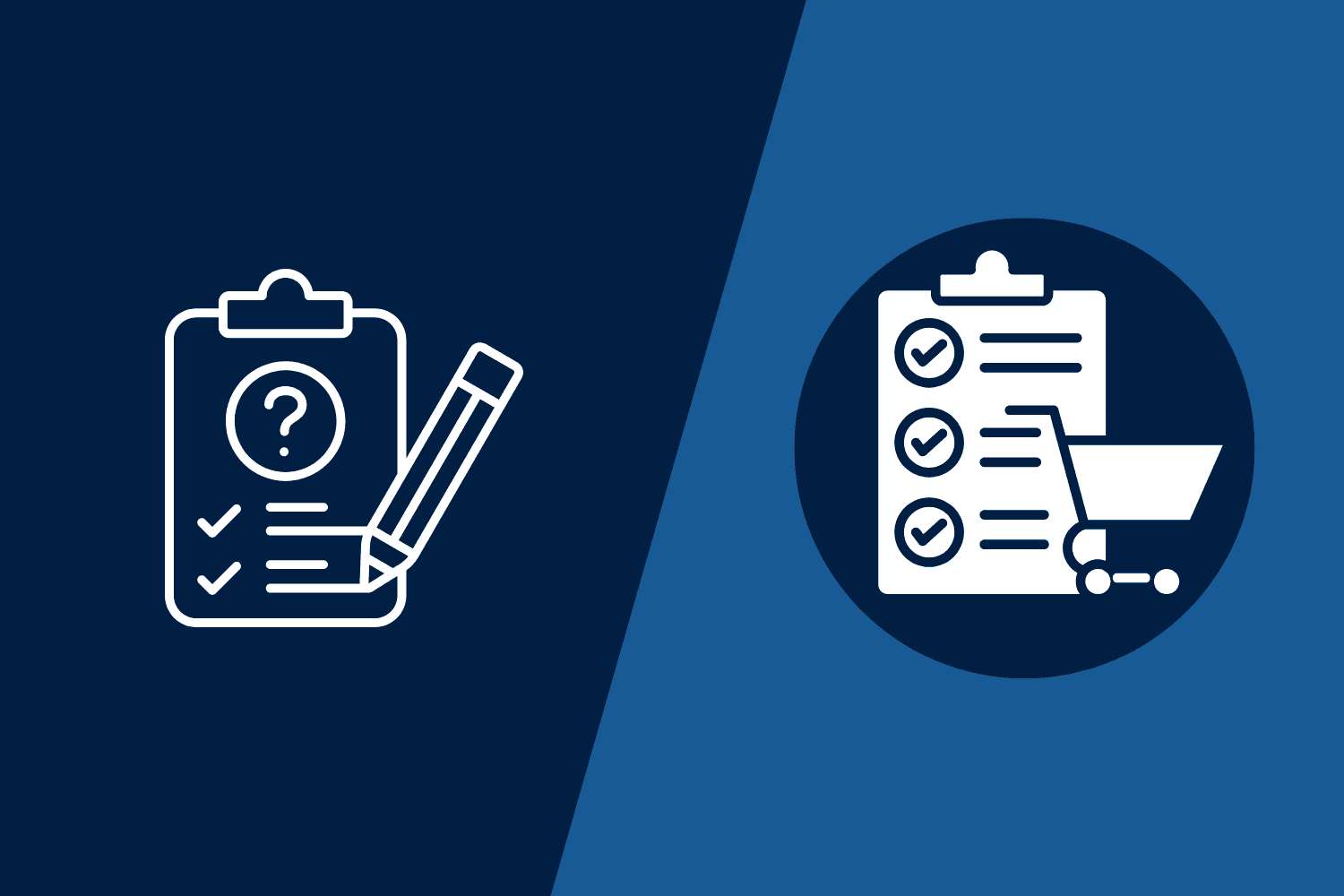
Understanding the difference between a purchase request (PR) and a purchase order (PO) is critical for any organization looking to maintain efficient, compliant, and cost-effective procurement processes. Many organizations struggle with mismanaged purchases, delayed approvals, and compliance risks simply because staff aren’t clear on when and how to use PRs versus POs.
In this guide, we’ll break down the key differences, provide examples, and show how modern tools and automation can streamline procurement workflows.
What is a Purchase Request (PR)?
A purchase request, sometimes called a purchase requisition, is an internal document used to request approval to buy goods or services.
Key points:
-
Initiated by an employee or department
-
Requires internal approval before ordering
-
Helps enforce budgets and policies
-
Prevents unapproved spending
Example:
The marketing team needs 50 branded t-shirts for an upcoming event. They submit a purchase request to the finance department for approval. The finance team reviews the request, confirms budget availability, and either approves or rejects it.
What is a Purchase Order (PO)?
A purchase order is a formal, binding document sent to a vendor to purchase goods or services.
Key points:
-
Created after a purchase request is approved
-
Includes details like quantities, price, and delivery dates
-
Legally binding once accepted by the vendor
-
Helps organizations track inventory and expenditures
Example:
Once the finance department approves the t-shirt PR, a PO is generated and sent to the printing vendor. The vendor fulfills the order based on the PO terms.
Purchase Request vs Purchase Order: Side-by-Side Comparison
| Feature | Purchase Request (PR) | Purchase Order (PO) |
|---|---|---|
| Purpose | Request internal approval to purchase | Place an official order with a vendor |
| Initiator | Employee or department | Procurement or finance team |
| Timing | Before purchasing | After PR approval |
| Legal Status | Not legally binding | Legally binding once vendor accepts |
| Budget Control | Helps enforce budget compliance | Ensures spending follows approved PR |
| Workflow Automation | Can trigger approval workflows | Can integrate with inventory and ERP systems |
Why the Difference Matters
-
Compliance & Audit: Properly using PRs and POs ensures all purchases follow internal policies and are auditable.
-
Budget Management: PRs prevent overspending before it occurs.
-
Efficiency: Using both reduces errors, duplicate orders, and delays.
-
Integration with Automation: Modern procurement software can automatically convert approved PRs into POs, notify vendors, and update financial records.
How Automation Enhances PR & PO Processes
Manual PR and PO management can be slow and error-prone. Automation provides:
-
Workflow Automation: PRs automatically routed for approval, POs generated instantly after approval.
-
Audit Trails: Every request and order is logged for compliance.
-
Real-Time Budget Tracking: Prevent overspending before it happens.
-
ERP Integration: Automatically sync POs with inventory, accounting, and vendor management systems.
-
Practical Tools: Solutions like NITRO Purchase Requests help organizations manage requests efficiently. They can automatically route requests for approval, generate POs after approval, and integrate with ERP systems — reducing errors and speeding up procurement workflows.
Organizations that implement automation see 50% faster approval times and 30% reduction in purchasing errors.
Common Mistakes to Avoid
-
Submitting a PO without an approved PR
-
Ignoring workflow approvals for small purchases
-
Lack of proper documentation for audits
-
Not integrating with procurement automation tools
By avoiding these mistakes, organizations can streamline procurement, reduce errors, and maintain compliance.
FAQs
Q: Can a purchase order be created without a purchase request?
A: Yes, in some organizations, small POs may be allowed without a PR, but best practice is to always follow internal approval workflows.
Q: Who approves a purchase request?
A: Typically, the finance or procurement department reviews and approves PRs to ensure budget compliance.
Q: What happens after a PO is issued?
A: The vendor fulfills the order, and the receiving department confirms delivery. The accounting team then processes payment.
Q: How can automation improve PR and PO processes?
A: Automation routes approvals, creates POs instantly, updates ERP systems, and tracks budgets in real-time, improving speed and accuracy. Tools like NITRO Purchase Requests can help automate these processes efficiently.
Conclusion:
Understanding the difference between purchase requests and purchase orders is not just an accounting exercise — it’s essential for compliance, efficiency, and cost control. With the right processes and automation, organizations can prevent errors, save time, and improve transparency.
Are your current procurement processes optimized to take full advantage of PRs, POs, and automation?